A pergola is one of the highest-impact ways to make a Central Florida backyard usable year-round — adding shade, structure and real property value. But in our climate, a pergola is only as good as its materials, footings and permit. Here is what homeowners in Orlando, Lake Nona, Winter Park and the surrounding area should know before they build.
Do you need a permit to build a pergola in Florida?
In most Central Florida cities and in Orange, Osceola and Seminole counties, a permit is required for a pergola — especially when it is attached to the house or over a certain size. Permit rules are set locally and usually depend on the structure’s size, height and whether it attaches to your home. Just as important, any permanent outdoor structure must meet Florida Building Code wind-load requirements, because Central Florida sits in a high-wind hurricane zone. A pergola that isn’t engineered and anchored correctly can fail in a storm and void insurance.
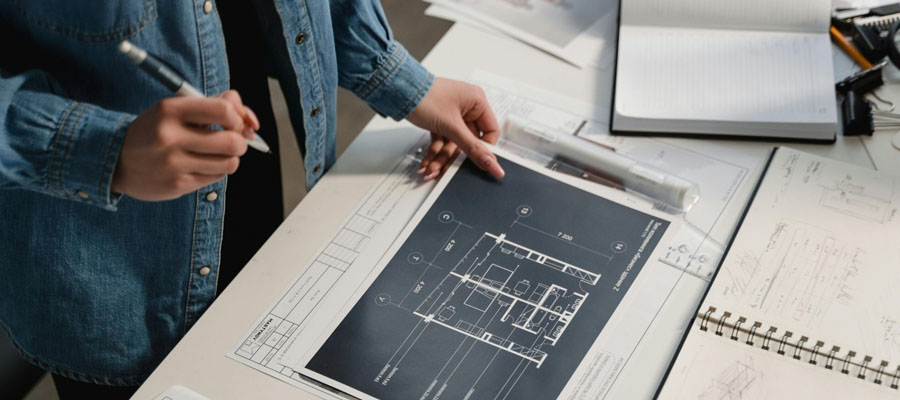
A licensed contractor pulls the permit, provides the required engineering and schedules the inspections for you. At ALFE, permitting and design are part of the job — not your problem to figure out.
How much does a pergola cost in Central Florida?
Installed pergola pricing varies widely with size, material, foundation and whether the structure is freestanding or attached. As a rough planning range, a quality installed pergola in the Orlando area typically runs from a few thousand dollars for a small freestanding kit-style build up to $10,000 or more for a large, engineered, attached aluminum structure with footings. Louvered or motorized “smart” roofs sit at the top of that range.
| Factor | Effect on price |
|---|---|
| Size & span | Larger spans need bigger beams and more footings |
| Material | Aluminum > vinyl > wood for longevity in FL; wood is cheaper up front |
| Attached vs freestanding | Attached needs flashing and house-connection engineering |
| Roof type | Open slats < solid cover < louvered/motorized |
| Permit & engineering | Required for code compliance and wind load |
Best pergola materials for the Florida climate
- Aluminum — the top choice for Central Florida. It won’t rot, warp or attract termites, shrugs off humidity and heavy rain, and powder-coated finishes hold up to UV. Best for low maintenance and hurricane-rated builds.
- Wood — classic and warm, but in our heat, humidity and termite pressure it needs sealing and ongoing maintenance to last.
- Vinyl/composite — low maintenance and clean-looking, with fewer structural and span options than aluminum.
Attached vs. freestanding pergolas
An attached pergola extends off the house to shade a patio or back door and feels like an extension of your living space. A freestanding pergola defines a separate zone — over a pool deck, outdoor kitchen or fire-pit area. Both work well in Central Florida; the right choice depends on your yard, sun angle and how you want to use the space.
What the process looks like with ALFE
- Free on-site consultation and design direction
- Material and roof-style selection (open, solid, or louvered)
- Permit and engineering handled by us
- Footings, framing and installation by our licensed crew
- Final inspection and walkthrough
Frequently asked questions
Can a pergola be hurricane-rated? Yes — with the right aluminum structure, engineered footings and anchoring, a pergola can be built to meet Florida’s wind-load code.
Will a pergola add value to my home? A well-built, permitted outdoor living structure is attractive to Central Florida buyers who want usable year-round outdoor space.
How long does installation take? After permitting, most residential pergolas install in a matter of days; the permit timeline depends on your city or county.
Thinking about a pergola in the Orlando area? ALFE is a licensed general contractor that designs, permits and builds outdoor living structures across Central Florida. Call (321) 732-5615 or request a free estimate. Learn more about our pergola service and outdoor living construction.